
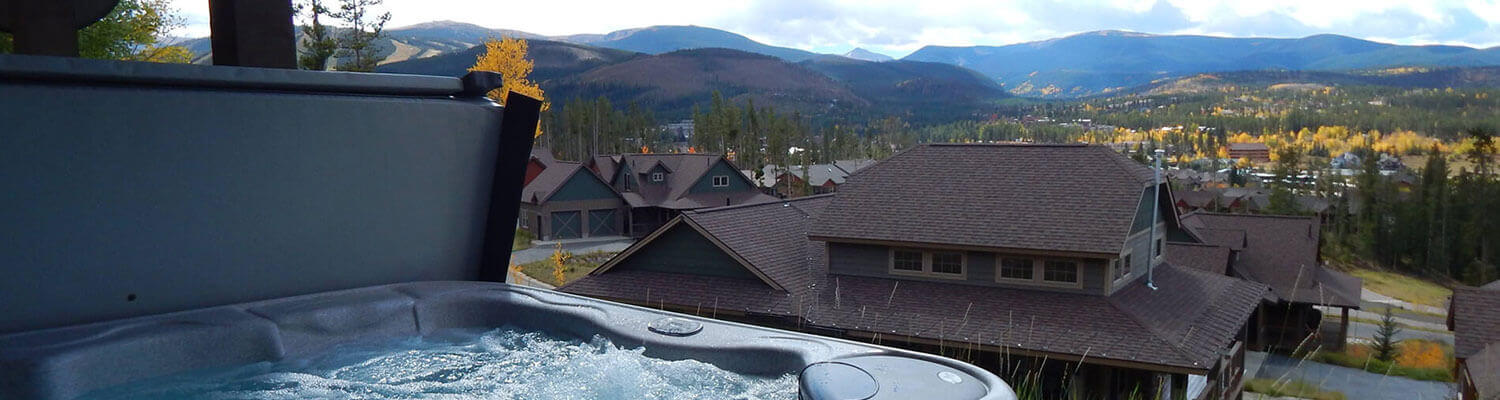
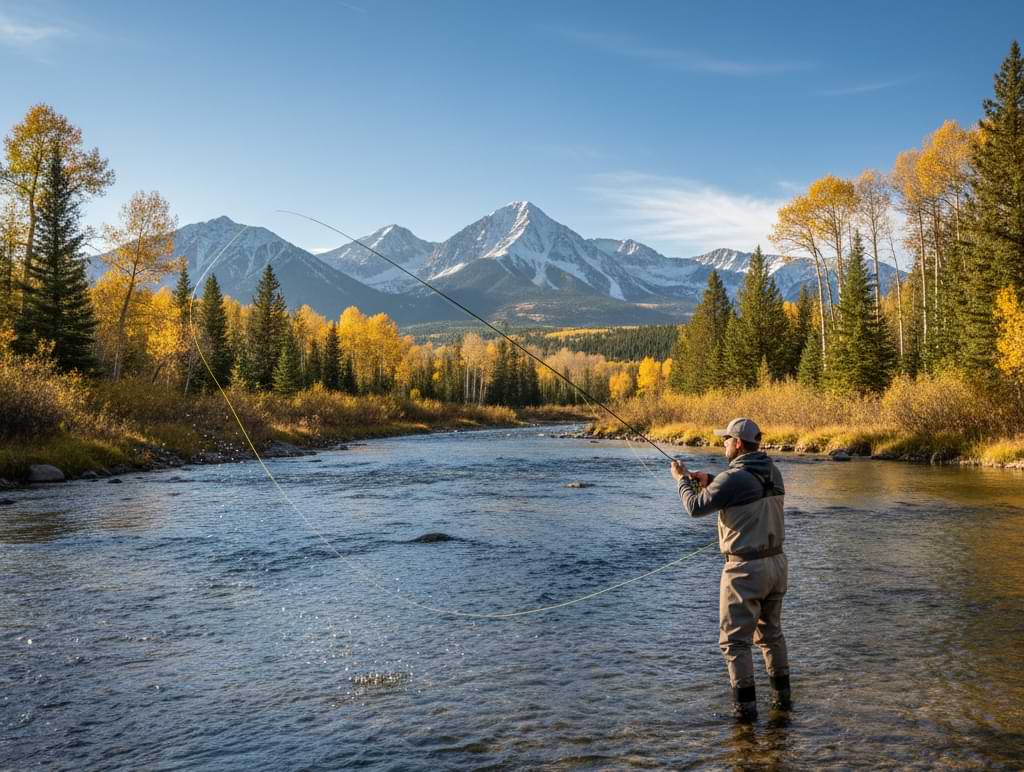
If you're seeking an unforgettable outdoor adventure in the Colorado Rockies, Winter Park fishing offers some of the most spectacular angling experiences in the state. Nestled in Grand County and surrounded by breathtaking mountain scenery, Winter Park provides year-round fishing opportunities that attract anglers from across the country. Whether you're a seasoned fly fisher or a complete beginner, the pristine waters surrounding this mountain paradise deliver exceptional catches and memories that last a lifetime. Start fishing at winter park and stay at Stay Winter Park.
Why Winter Park is a Premier Fishing Destination
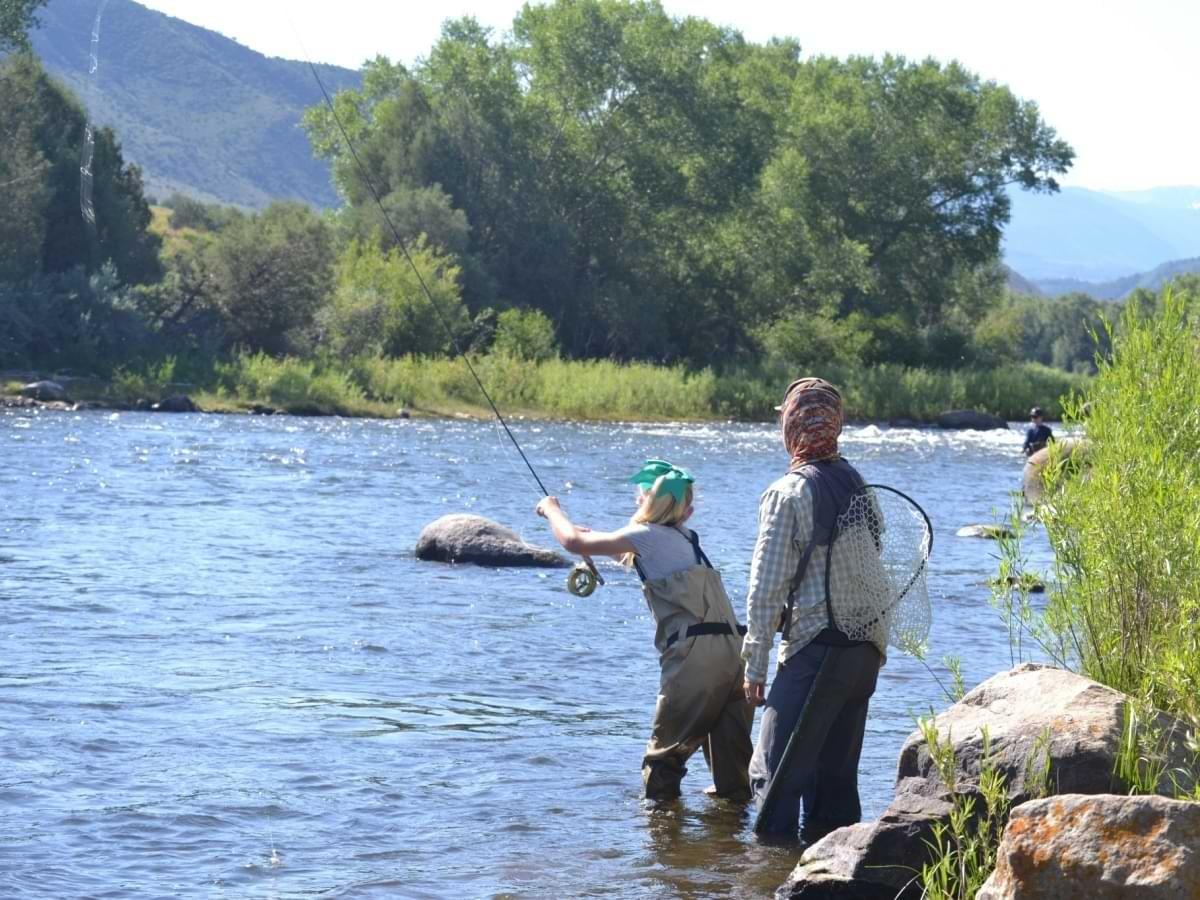
Winter Park, Colorado, sits at the heart of some of the most productive trout waters in North America. The region's unique combination of high-altitude streams, expansive reservoirs, and the mighty Fraser River creates a diverse fishery that supports healthy populations of rainbow, brown, brook, and cutthroat trout. According to Colorado Parks and Wildlife, outdoor recreation contributes over $52.1 billion annually to Colorado's economy, with fishing playing a vital role in this economic engine. The Winter Park area specifically benefits from this tourism, as anglers travel from around the world to experience its world-class waters.
The Fraser River, which flows directly through the heart of Winter Park, serves as the cornerstone of the local fishing scene. This completely wild fishery produces fish averaging 12 to 15 inches, with some trophy specimens reaching much larger sizes. The river features a mix of flat stretches, riffles, runs, and deep pools that provide ideal habitat for multiple trout species. Public access points are conveniently located throughout the area, including spots behind the Safeway supermarket in Fraser and along the scenic Fraser Canyon.
Top Fishing Locations Around Winter Park
Fraser River
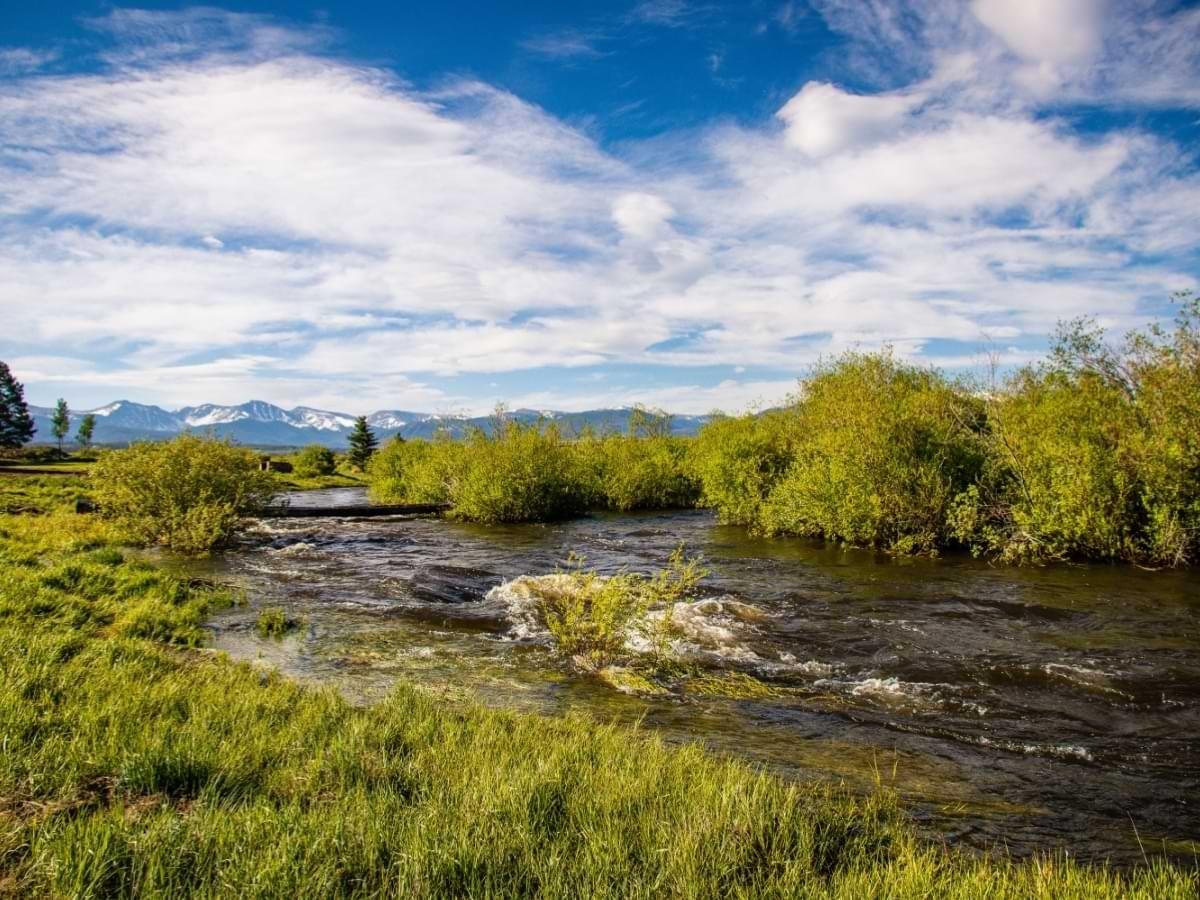
The Fraser River stands as the first main tributary of the Colorado River and ranks among the premier fishing destinations in the region. This relatively flat river features interconnected riffles, runs, and tailouts that lead into deep pools where trophy trout hold. The Fraser River supports populations of brown, brook, and rainbow trout, with occasional cutthroat trout making appearances.
Optimal fishing conditions on the Fraser River occur when flows range between 100-200 cubic feet per second (CFS). During these ideal flows, fish spread throughout the runs and riffles, making them accessible to waders. When flows drop to 50-100 CFS, water becomes low and fish grow spooky, requiring fine tippet and careful presentations. Conversely, when flows rise to 200-350 CFS, the river remains fishable but trout move to edges and slower water to conserve energy.
The best fishing seasons on the Fraser River occur in May and from late June through October, with anglers advised to avoid the high runoff period. During summer months, the most productive fishing typically happens before noon, as afternoon winds and warmer water temperatures can slow the action. Fall brings stable flows, spawning activity, and excellent Blue Winged Olive (BWO) hatches that trigger aggressive feeding.
One unique aspect of Fraser River fishing involves local etiquette. Due to high fishing pressure in the Fraser Flats section between Fraser and Tabernash, local anglers voluntarily skip fishing this stretch on Tuesdays and Thursdays to give fish recovery time. This conservation-minded approach helps maintain the quality of the fishery for everyone.
Colorado River
The mighty Colorado River cuts through the stunning Fraser Canyon, providing anglers with endless opportunities to target larger trout. Known for producing sizable brown and rainbow trout, this river offers a mix of calm stretches and exciting rapids that accommodate all skill levels. The varied water types allow anglers to practice different techniques, from nymphing deep runs to swinging streamers through fast water.
The Colorado River's larger size and higher flows compared to the Fraser River create different fishing dynamics. Heavier rods and sink-tip lines often prove necessary to reach fish holding in deeper water. The river's pocket water and boulder gardens provide excellent habitat where trout can ambush prey while conserving energy in current breaks.
Grand Lake and Lake Granby
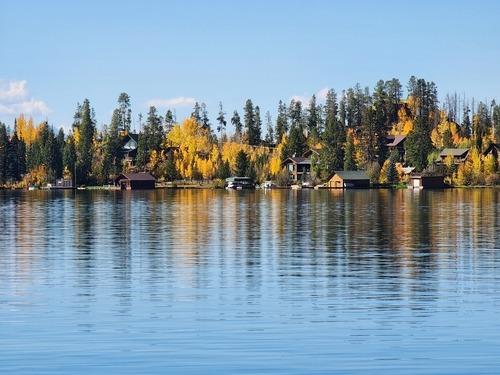
For anglers seeking a lake fishing experience, Grand Lake and Lake Granby deliver outstanding opportunities. Grand Lake, located near Winter Park, hosts rainbow, brown, and lake trout, as well as kokanee salmon. This massive body of water provides 40 miles of unspoiled shoreline and connects to two companion lakes—Shadow Mountain Lake and Lake Granby—creating an interconnected system that's regularly stocked to ensure excellent angling.
Lake Granby ranks as the third largest body of water in Colorado and serves as the closest ice fishing destination to Winter Park, located approximately 40 minutes from town. The lake is known for producing kokanee salmon, rainbow trout, lake trout, and brown trout. Reports of lake trout reaching 32 inches make this a destination for trophy hunters. Trolling with Tazmanian Devils and Little Cleos proves most productive, with anglers focusing on depths between 15-40 feet depending on time of day and season.
Willow Creek and Vasquez Creek
For those seeking a more intimate small-stream experience, Willow Creek and Vasquez Creek offer solitude and the chance to catch multiple trout species. Willow Creek, nestled in the beautiful Arapaho National Forest, is known for its healthy brook trout population. This well-preserved creek is surrounded by diverse wildlife and also holds brown and rainbow trout.
Vasquez Creek, the closest creek to downtown Winter Park, provides the opportunity to catch cutthroat, brown, rainbow, and brook trout depending on elevation. Access via Vasquez Road from Winter Park leads to intimate fishing where most fish won't exceed 12 inches, but anglers can easily catch double-digit numbers on a single dry fly fished drag-free. Low fishing pressure and tough access requiring some bushwhacking keep crowds away, creating a peaceful experience.
Special regulations apply to portions of Vasquez Creek. The South Fork of Upper Vasquez Creek and Little Vasquez Creek allow only fly or lure fishing, and all cutthroat trout must be released. The standard limit elsewhere is four trout, emphasizing the need to check current regulations before fishing.
Williams Fork Tailwater
The Williams Fork tailwater represents a hidden gem that provides year-round fishing opportunities. Located approximately one mile from the parking area via a hike-in trail, this tailwater filters out casual anglers while rewarding those who make the walk with quality trout in clear water. The river features deep runs, pools, and pocket water lined with cottonwood trees.
Williams Fork proves especially valuable during Fraser River runoff (late May-June) when it's often the only fishable water in the area[cite:4]. Ideal flows range from 100-300 CFS, with current conditions around 120 CFS creating prime winter tailwater fishing. Small midges, Baetis, and even some late caddis appear during the warmest hours, with RS2s, Zebra Midges, Pheasant Tails, and small Perdigons producing consistently.
Technical fishing characterizes the Williams Fork experience. Long leaders (12 feet), light tippet (5X-7X), and fluorocarbon prove essential for success. These fish see fewer anglers but remain educated, demanding careful presentations. Free camping is available at Williams Fork Reservoir and Sugarloaf Campground, which offers 11 first-come, first-served sites along the river above the reservoir.
Winter Fishing: Ice Fishing Adventures
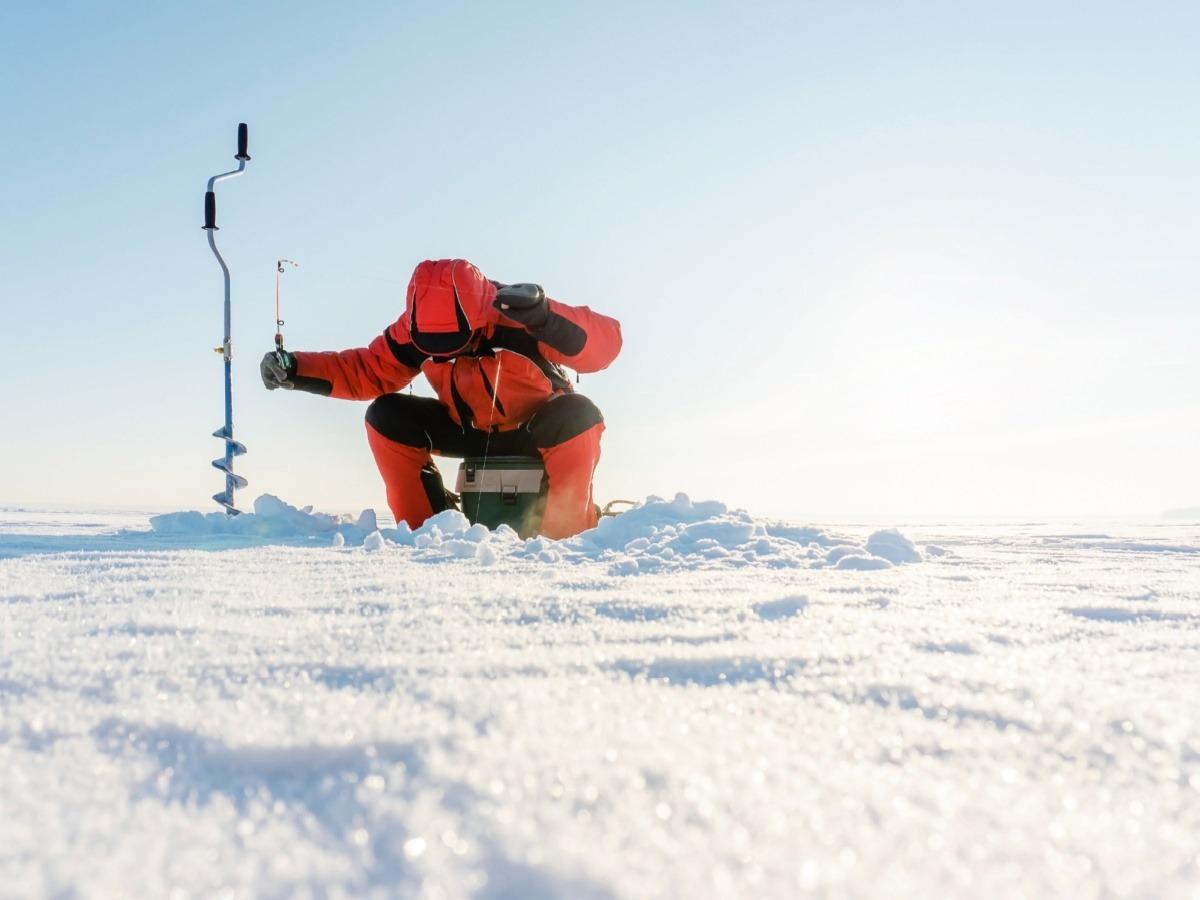
Winter transforms the fishing landscape around Winter Park, opening up exciting ice fishing opportunities. Ice fishing season typically runs from mid-December through early April, though exact timing depends on ice conditions. This unique Colorado experience allows anglers to target lake trout, rainbow trout, and brown trout through the ice while surrounded by snow-covered peaks.
Lake Granby serves as the primary ice fishing destination near Winter Park. The lake hosts the annual Three Lakes Ice Fishing Contest in January, attracting over 1,000 anglers to compete for daily cash and raffle prizes. Grand Lake holds the Annual Grand Lake Catch and Release Ice Fishing Contest in March, featuring competitions in three categories: brown trout, lake trout, and rainbow trout.
Guided ice fishing trips provide all necessary equipment, including heated ice fishing huts, state-of-the-art sonar electronics, rods, tackle, bait, and warm beverages. Guides typically recommend wearing waterproof pants (not jeans), snow boots (not tennis shoes), wind-resistant jackets, hats, gloves, and warm socks. Rates for guided trips range from $350-$450 for a half-day (4 hours) for one person, with additional anglers adding to the cost.
The most productive ice fishing techniques involve vertically jigging spoons tipped with bait in 15-40 feet of water. Chartreuse colors often prove effective. Modern electronics allow anglers to watch fish approaching their lines in real-time, adding excitement to the experience. Ice fishing provides an excellent alternative to skiing and allows families to enjoy winter activities away from crowded slopes.
Essential Fishing Licenses and Regulations
Before casting a line in Winter Park, all Colorado residents and nonresidents aged 16 and older must purchase and carry a valid Colorado fishing license. Licenses can be obtained online through Colorado Parks and Wildlife or in person at authorized retailers such as Murdoch's, Safeway, Winter Park Flyfisher, and other local shops.
Several license types accommodate different needs. Annual fishing licenses serve residents and nonresidents planning multiple trips. One-day or additional-day licenses provide options for short visits. Youth licenses cover anglers aged 16-17, while senior licenses serve anglers 64 and older. Most licenses require purchasing a Habitat Stamp, which supports conservation efforts.
To purchase a license, anglers need government-issued photo identification, proof of residency (for Colorado residents), and Social Security Number or ITIN (for anglers 16 and older). One-day licenses offer budget-friendly options for visitors testing the waters.
License fees directly fund projects that protect wildlife and hatcheries, promote conservation, and support the growth of fishing opportunities. Many anglers view these fees as donations toward preserving Colorado's beautiful fisheries for future generations. The state updates licensing rules and regulations annually, with new rules effective from April to the following March. Always consult the current Colorado Parks and Wildlife Fishing Brochure for the most up-to-date regulations.
Specific regulations vary by water body. On the Fraser River, the section from headwaters to St. Louis Creek confluence requires artificial flies and lures only, with catch and release on rainbows. From St. Louis Creek confluence to the Colorado River, the bag and possession limit is two trout. Understanding and following these regulations helps maintain healthy fish populations and ensures sustainable fishing for years to come.
Best Times and Seasons for Winter Park Fishing
Winter Park offers productive fishing throughout the year, but understanding seasonal patterns dramatically improves success rates. Each season brings unique opportunities and challenges that anglers should consider when planning trips.
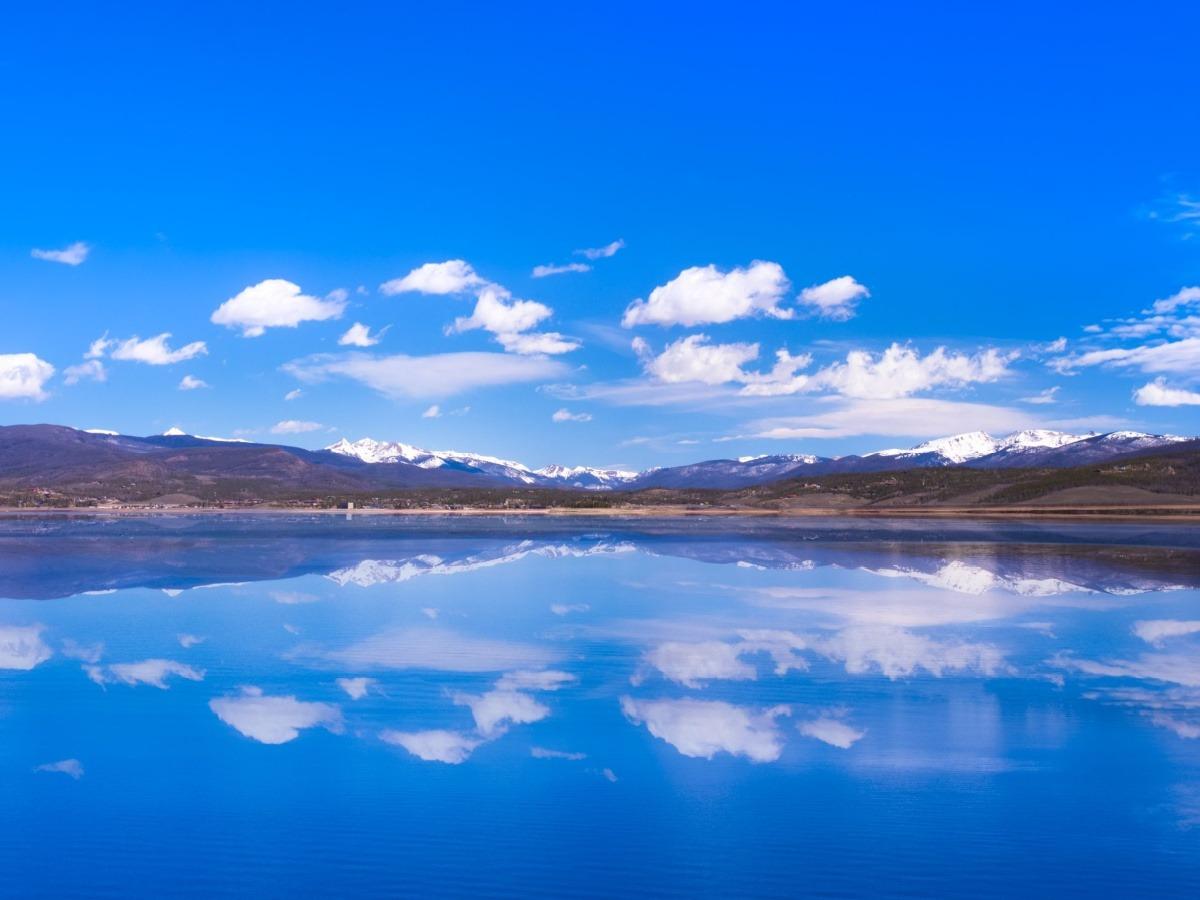
Spring fishing begins when rivers melt out around late March or early April and continues until runoff hits in late May. Early spring provides excellent fishing before snowmelt raises water levels. As temperatures warm, fish become increasingly active after the winter dormancy. Midges and early Blue Winged Olives hatch on warmer afternoons, triggering surface feeding.
Late May typically brings runoff, which can blow out the Fraser River and other freestone streams. During this period, the Williams Fork tailwater often provides the only fishable water in the area. Tailwaters maintain clearer, more stable flows because dam releases control water levels.
Summer represents prime time for Winter Park fishing once rivers clear from runoff. From late June through August, rivers achieve their best conditions with prime hatches and excellent weather. All waters become fishable, offering anglers maximum options. Morning fishing generally produces best results, as fish move to deeper water and become less active during afternoon heat.
Caddis, mayflies, and terrestrial insects like grasshoppers provide excellent dry fly opportunities. Streamer fishing for aggressive brown trout also peaks during summer months. Lake fishing from boats becomes popular, with launch ramps typically opening around mid-May and remaining accessible through late October or early November.
Fall brings some of the best fishing conditions of the entire year. Stable flows, spawning activity, and prolific Blue Winged Olive hatches create ideal circumstances. Cooler temperatures invigorate trout, triggering aggressive feeding as fish prepare for winter. Fall colors add scenic beauty to the fishing experience.
Fraser River and Colorado River fishing excel during fall. Brown trout spawn in autumn, making them particularly aggressive as they defend territories. Anglers should practice ethical fishing by avoiding actively spawning fish on redds (gravel nests) to protect future generations.
Winter transforms fishing opportunities, with cold conditions making stream fishing challenging but not impossible. The lower Fraser River and Williams Fork tailwater continue fishing well during winter months. Midge hatches occur during the warmest parts of the day, typically from late morning through mid-afternoon. Small flies (sizes 18-24) and delicate presentations prove necessary.
Ice fishing dominates the winter fishing scene from mid-December through early April. This unique experience allows anglers to target lake trout and other species on frozen lakes while enjoying heated shelters and spectacular mountain views.
Having the right equipment significantly improves fishing success and comfort in Winter Park's varied conditions. Gear requirements differ depending on season and fishing location.
Fly Fishing Gear for Streams
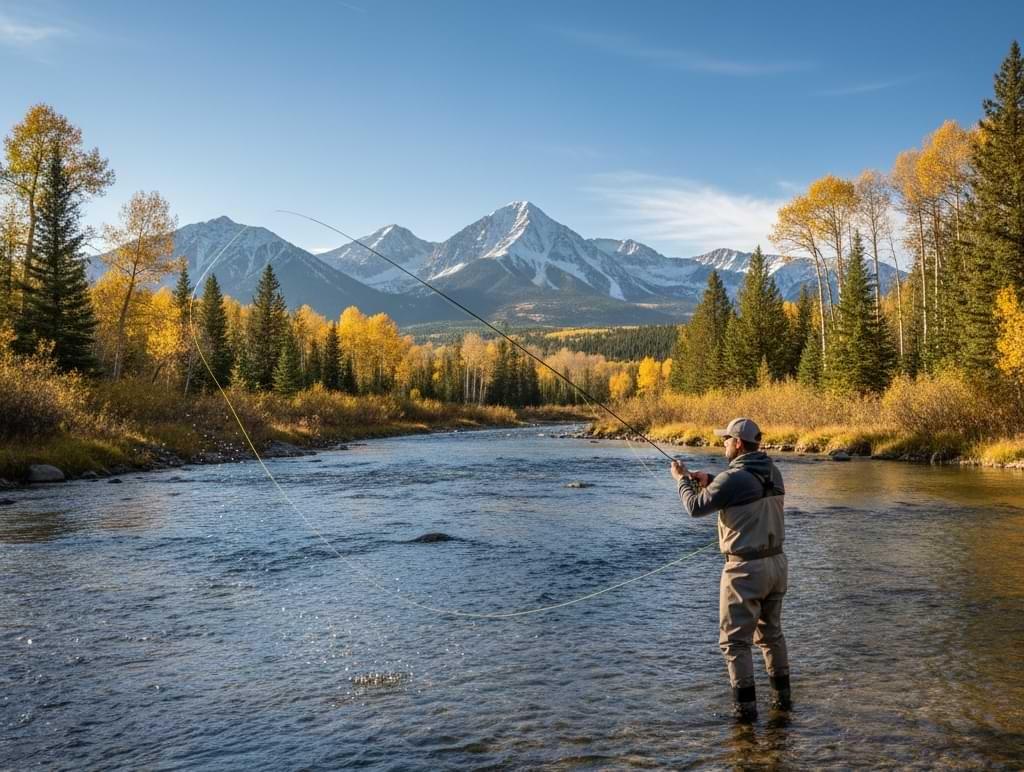
For local streams like the Fraser River and Vasquez Creek, an 8-9 foot, 4 or 5 weight rod with matching reel and floating line provides ideal versatility. This setup handles the majority of situations anglers encounter. Breathable waders with felt-soled or studded wading boots offer comfort and traction. For rivers like the Middle Provo and several local waters with slippery rocks, studded boots prove especially helpful.
Leaders should range from 9-12 feet depending on water clarity and fish wariness. Tippet in sizes 4X-7X covers most situations, with lighter tippets necessary for technical fishing on pressured waters. Polarized sunglasses are essential for spotting fish and reading water structure. A waterproof rain jacket, hat with visor for sun protection, sunscreen, and lip balm round out the basics.
Fly selection should include dry flies (Adams, Elk Hair Caddis, Parachute patterns), nymphs (Pheasant Tail, Hare's Ear, Copper Johns), and streamers (Woolly Buggers, Zonkers) in various sizes. Local fly shops like Winter Park Flyfisher provide current hatch information and recommendations for productive patterns.
Lake fishing requires different equipment than stream fishing. Medium to medium-heavy spinning or casting rods paired with reels capable of handling larger fish work well. For trolling, downriggers or lead-core line help reach the depths where lake trout suspend. Tazmanian Devils, Little Cleos, and jerkbait-style lures in minnow patterns produce consistently.
Boats, kayaks, or float tubes provide access to deeper water where trophy fish live. Guided lake fishing trips include boats, equipment, and lunch, with full-day trips for two people starting around $749.
Guided ice fishing trips supply all necessary equipment, including rods, tackle, bait, heated huts, and electronics. Anglers should bring waterproof pants, snow boots, warm jackets, hats, gloves, sunscreen, sunglasses, water, snacks, and any necessary medications. Layering clothing allows adjustment to changing conditions throughout the day.
Winter fishing demands proper clothing to maintain comfort and safety. Base layers of long underwear (heavier weight in winter, lightweight in summer) worn under waders extend comfortable fishing time. Fingerless gloves allow fly manipulation while keeping hands warm. Fleece jackets and pants, insulated hats made from fleece or wool, and insulated heavier-weight socks combat cold temperatures.
Mastering fundamental fly fishing techniques dramatically improves catch rates. While expert instruction accelerates learning, understanding basic principles allows anglers to self-correct and continuously improve.
Proper casting technique forms the foundation of fly fishing success. Keep your casting thumb in peripheral vision to prevent breaking your wrist on the backcast and maintain proper rod angle. The rod tip, not your arm, should move in a 10-to-2 or 11-to-1 pattern. Many beginners improve by thinking 11-to-1 rather than 10-to-2.
Minimize physical effort and let the line and rod do the work. Envision drawing a straight line with your rod tip as you cast, making crisp deliberate stops rather than one constant motion. Stop the rod completely at the end of both forward and back casts to allow the line to fully extend and load the rod.
For increased distance, lengthen your stroke as you add more line. Short casts require compact strokes, while longer casts demand longer strokes where the rod tip travels a greater distance. Learning to double-haul—pulling line during both forward and back casts—adds distance and power.
Understanding where fish hold improves efficiency by allowing anglers to focus on productive water rather than casting randomly. Trout seek locations providing food delivery, protection from predators, and current breaks that minimize energy expenditure. Look for seams between fast and slow current, pockets behind boulders, undercut banks, and deep pools.
Riffles where water breaks over rocks oxygenate the water and concentrate insects, making them prime feeding areas. Tailouts where pools transition to the next riffle often hold multiple fish. During high water, fish move to slower edges and backwaters. In low, clear water, trout become spooky and hold in deeper pools or under overhanging vegetation.
Dead-drift nymphing accounts for the majority of trout caught by experienced anglers. Since trout feed subsurface most of the time, presenting nymphs at the proper depth with natural drift proves deadly effective. Use split shot or weighted flies to reach the bottom, and mend your line to prevent drag.
Dry fly fishing during hatches provides exciting visual action. Match fly size and color to naturals on the water. Cast upstream and allow your fly to drift drag-free over rising fish. Set the hook gently when fish rise—a simple lift of the rod tip usually suffices.
Streamer fishing imitates baitfish and triggers aggressive strikes from larger, predatory trout. Cast streamers across and downstream, then strip them with short pulls to imitate fleeing prey. Vary retrieve speed and pause periodically to trigger strikes.
Guided Fishing Services
Hiring a professional guide accelerates learning and dramatically increases success, especially for visitors unfamiliar with local waters. Winter Park offers several reputable guide services specializing in different fishing types.
Fish Winter Park operates as Winter Park's only all-seasons, all-tackle, all-species fishing guide service. They accommodate all ages and ability levels, providing family-friendly trips. Services include fly fishing trips on scenic rivers, lake fishing from boats for trophy lake trout and northern pike, and ice fishing trips. Guides supply all equipment, and trips can be customized to focus on learning or maximizing catch rates.
Winter Park Flyfisher serves as another excellent resource, providing not only guided trips but also a full-service fly shop where anglers can purchase gear, get local fishing reports, and obtain licenses. Their experienced staff knows the area's waters intimately and can recommend productive spots based on current conditions.
Guided fly fishing trips typically range from half-day (4 hours) to full-day (8 hours) options. Prices start around $350 for a single angler on a half-day trip, with rates varying based on group size and duration. Guides provide quality fly rods, reels, flies, waders, and boots at no additional fee. They also handle access to private water where available.
Ice fishing guide services range from $325-$350 for a half-day trip for two people, with full-day options available. All equipment, heated shelters, electronics, bait, and warm beverages are included. These trips prove especially popular for families and groups seeking a unique winter experience.
Conservation and Ethical Fishing
Practicing ethical fishing and conservation ensures Winter Park's fisheries remain healthy for future generations. Catch and release fishing, when practiced properly, allows fish to survive and reproduce. Handle fish gently with wet hands, minimize time out of water, and use barbless hooks to facilitate quick releases.
Avoid fishing to spawning fish on redds during fall brown trout spawning and spring rainbow trout spawning. Stepping on redds can destroy eggs and kill future generations. Give spawning fish space to complete their reproductive cycle.
Respect local etiquette, such as the voluntary no-fishing days on the Fraser Flats section. Don't crowd other anglers—give them plenty of space and wait your turn on popular runs. When wading, enter below anglers already fishing and work upstream to avoid disturbing water they're fishing.
Pack out all trash and fishing line. Monofilament takes hundreds of years to decompose and can entangle wildlife. Many shops and access points provide recycling bins for old line.
Purchase your fishing license and habitat stamp to support conservation work. According to the Colorado Tourism Office, outdoor recreation contributes over $52.1 billion to Colorado's economy, with fishing playing a vital role in supporting local communities and conservation funding.
Planning Your Winter Park Fishing Adventure
When planning a fishing trip to Winter Park, consider several factors that influence success and enjoyment. Colorado welcomed approximately 95.4 million visitors in 2024, with outdoor recreation remaining a major draw. Winter Park's proximity to Denver (about 90 minutes) makes it accessible while maintaining a less-crowded mountain town atmosphere.
Accommodation options range from ski resort lodges to vacation rentals and campgrounds. Booking early ensures availability during peak seasons. Many anglers combine fishing with other activities like hiking, mountain biking, or skiing depending on season.
Check current flow conditions before fishing. The USGS provides real-time stream flow data online. Understanding whether rivers are at optimal, low, or high flows helps determine which waters to target. During runoff, focus on tailwaters and lakes rather than freestone streams.
Weather in the mountains changes rapidly. Bring layers, rain gear, and be prepared for afternoon thunderstorms during summer. Lightning poses serious danger at high elevations—get off the water when storms approach.
Stop at Winter Park Flyfisher or other local shops for current conditions, hatch reports, and fly recommendations. Local knowledge proves invaluable for maximizing your time on the water. Shop staff can direct you to productive public access points and help you avoid crowded areas.
Conclusion
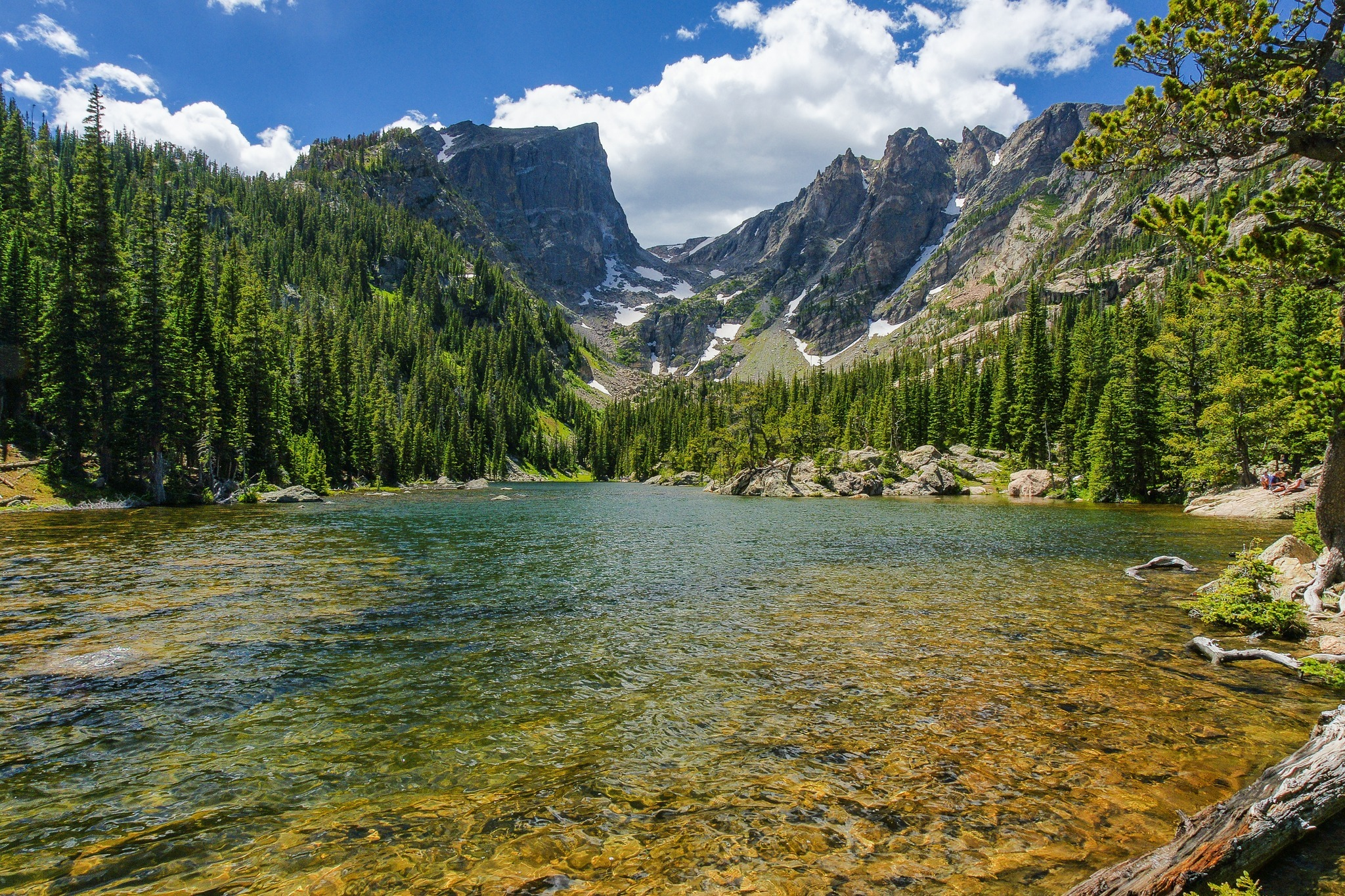
Winter Park fishing delivers world-class angling opportunities throughout the year in one of Colorado's most spectacular mountain settings. From the wild trout of the Fraser River to the trophy lake trout of Lake Granby, from summer dry fly hatches to winter ice fishing adventures, this destination offers something for every angler. The region's combination of accessible public waters, healthy fish populations, and stunning scenery creates memorable experiences that keep anglers returning year after year.
Whether you're a beginner seeking to learn fly fishing basics or an experienced angler pursuing trophy trout, Winter Park provides the perfect backdrop for your fishing adventure. With proper preparation, appropriate gear, and respect for the resource, you'll discover why this mountain paradise ranks among Colorado's premier fishing destinations. The rivers, streams, and lakes surrounding Winter Park await—tight lines and enjoy the extraordinary fishing opportunities this remarkable area provides.