
Winter Park offers some of the most varied and rewarding ski terrain in Colorado, and with a little planning you can dramatically increase how much fun, progression, and value you get from every day on the mountain. From picking the right slopes for your level to dialing in gear, lessons, and après-ski, a smart strategy turns a good ski trip into a great one.
Winter Park Resort is a dream for skiers and riders who want big-mountain variety without losing that authentic Colorado ski-town feel. With more than 3,000 acres of terrain, seven distinct territories, and reliable snowfall, you can craft a completely different day on the slopes every time you visit.
The
key to getting the most from Winter Park’s slopes is matching its diverse
terrain to your skills, energy, and goals, then layering in winter sports,
dining, and downtime that fit your style. Winter sports & skiing at Winter
Park can be as relaxed or as full-throttle as you want, as long as you
understand how the mountain is laid out and what each zone offers. Get ready
for your winter stay here at Stay Winter Park.
Winter
Park consistently ranks among North America’s top ski resorts thanks to its
combination of size, snow, and character. The resort has been operating longer
than any other in Colorado, which shows in its well-developed lift system,
variety of terrain, and polished guest experience.
● Over 3,000 skiable acres and
around 3,000 feet of vertical drop create a true big-mountain feel.
● Snowfall averages roughly 300
inches or more each season, helping keep conditions soft and playful deep into
winter.
● Terrain is split into seven
territories, each with its own personality, from family-friendly groomers to
expert-only steeps and bowls.
This
combination makes Winter Park ideal if your group mixes new skiers with
seasoned experts, or if you want to progress quickly over a multi-day trip. Get more info on the mountain areas and rules Here.
Understanding Winter Park’s seven territories
Knowing
the seven territories is the foundation for getting the most out of the Winter
Park slopes. Each area favors different ability levels and styles, which lets
you plan your day like a custom itinerary.
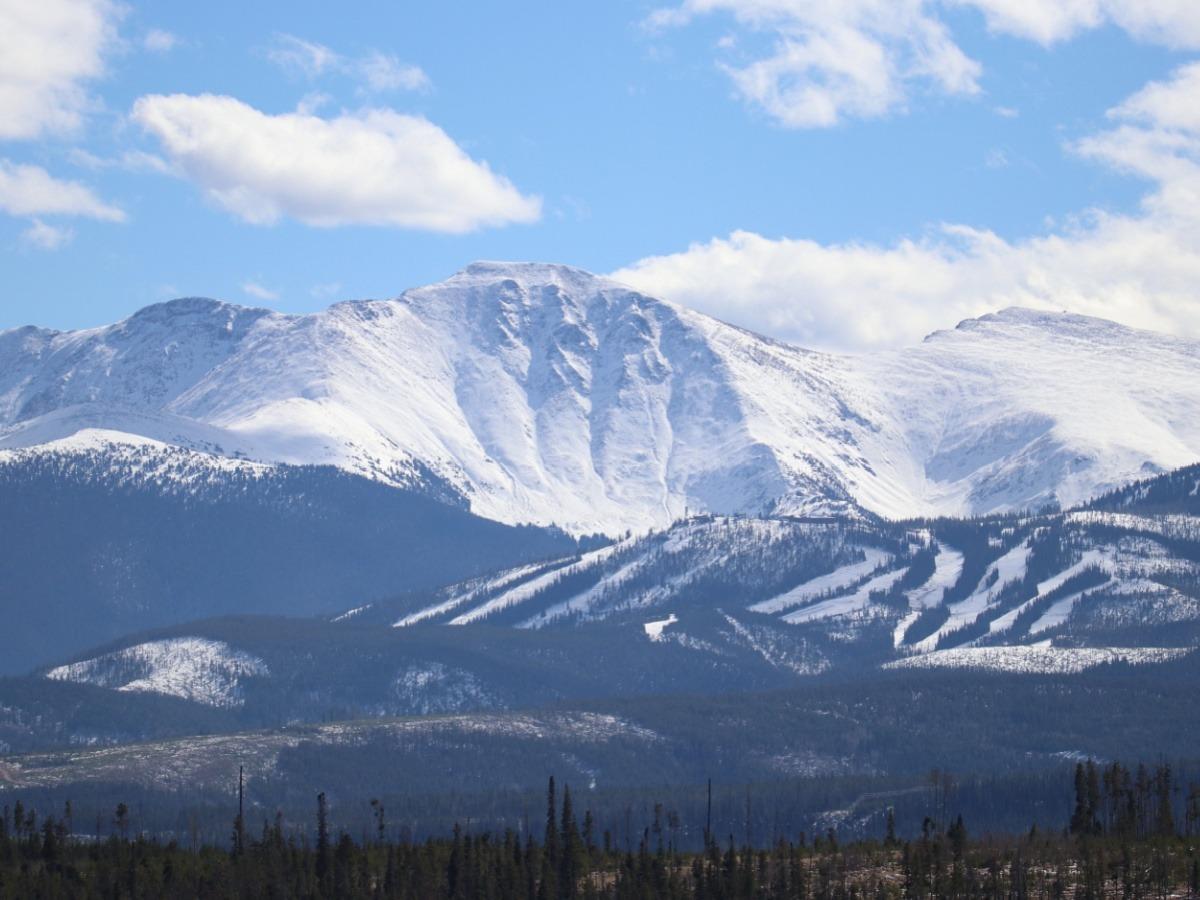
This is the main, central zone with lots of groomed runs and family-friendly terrain, making it perfect for beginners and intermediates who want wide, predictable slopes. Many of the resort’s ski school activities and easier lifts originate here, so it is a logical base if you are still building confidence.
Mary Jane is legendary for bumps and tree skiing, attracting advanced skiers who love moguls and technical lines. The runs here tend to be longer and more sustained, with glades and natural features that challenge even seasoned experts.
Matching terrain to your ability
Winter
Park’s terrain mix leans challenging, but there is smart strategy for every
level. Using ability-aware planning helps you avoid frustration and fatigue.
First-time and beginner skiers
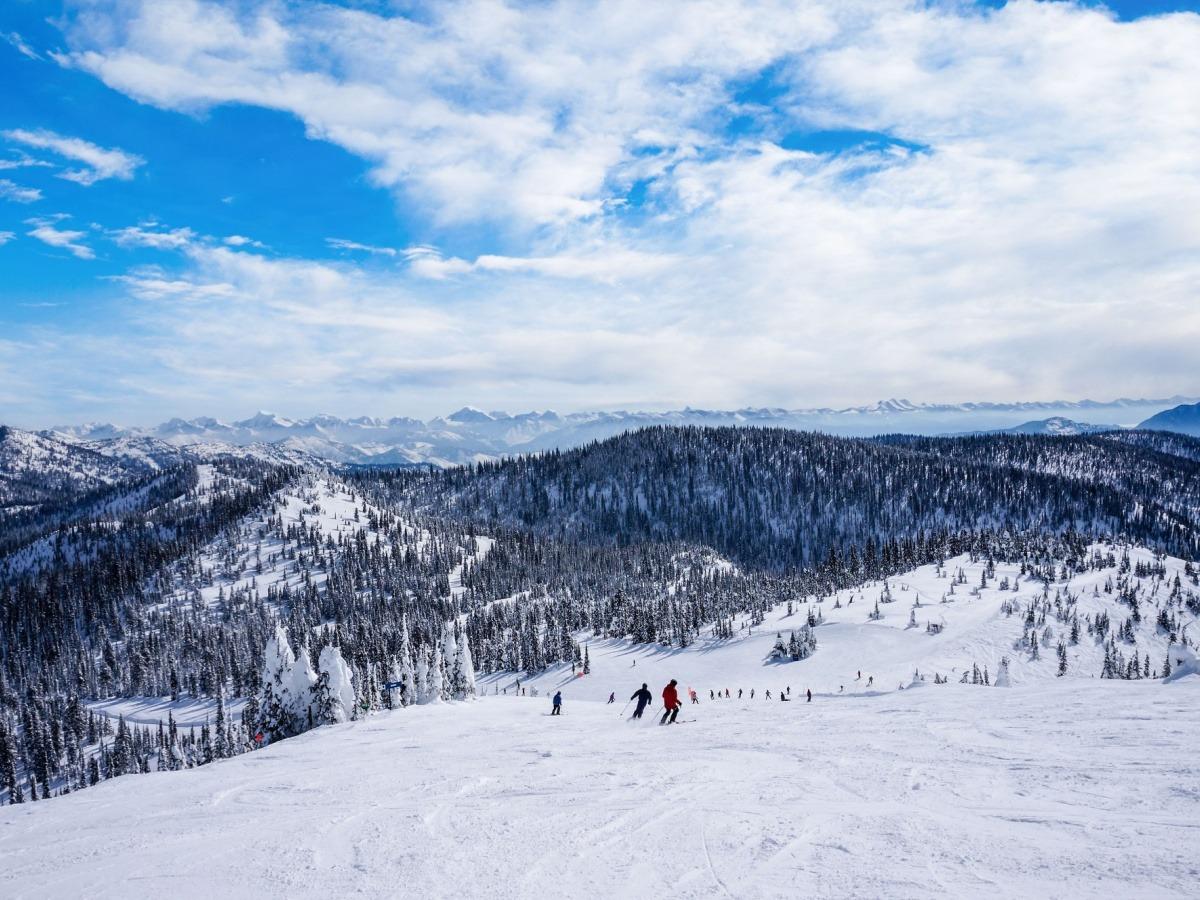
True
beginner runs make up a relatively small portion of the total terrain, but they
are concentrated where you need them. For brand-new skiers, staying near the
base and focusing on learner zones prevents you from accidentally wandering
onto steeper pitches.
● Seek out Discovery Park and
other learning areas in the main Winter Park territory, which are specifically
set up for new skiers and kids.
● Use lifts like the Discovery
and Endeavor chairs, which serve gentle green runs ideal for practicing turns
and speed control.
Once
basic turns and stopping feel automatic, the High Lonesome Express opens up
longer green runs that descend from higher on the mountain back down toward the
village. This gives beginners a big-mountain experience without suddenly
dropping into terrain that is too steep.
Intermediate skiers
Intermediates
are spoiled for choice at Winter Park, with a deep roster of blue runs spread
across multiple territories. Planning your day to mix groomed cruisers and
slightly more challenging blues keeps things fun while gradually pushing your
comfort zone.
● Use runs like Jabberwocky,
Stagecoach, and other named blues in Winter Park and Vasquez Ridge to refine
carving and speed control.
● Visit Parsenn Bowl on a clear
day for sweeping views and long, rolling descents that feel advanced but are
technically manageable.
A
practical strategy is to start your morning on easier blues to warm up, then
shift into bumpier or slightly steeper terrain in the late morning when your
legs are ready.
Advanced and
expert skiers
For
higher-level skiers, Winter Park can feel like a playground of steeps, bumps,
and trees. Mary Jane, Eagle Wind, and The Cirque combine to offer a massive
variety of lines.
● Spend time on Mary Jane’s
mogul runs and glades, which are well known across North America for their
quality and challenge.
● When conditions allow, lap
The Cirque and Eagle Wind for steeper, more technical terrain that rewards
strong line choice and snow-reading skills.
Because
so much of the advanced terrain is off-piste, it is smart to check the daily
report for which areas are open and where the best snow is holding.
Planning your ski day for maximum value
Even
at a large resort, a bit of structure can help you avoid wasted time and
crowded runs. Winter Park’s lift network and territory layout make it possible
to “flow” across the mountain if you plan ahead.
Start with a clear objective
Ask
what you want from that specific day: skill progression, maximum vertical,
family time, or variety across territories. Making that decision in the morning
keeps you from randomly hopping around the mountain.
● For progression, stay mostly
in one or two territories that match your level and repeat runs to build muscle
memory.
● For exploration, design a
loop: start in Winter Park, move to Mary Jane or Parsenn Bowl, then eventually
circle back via Vasquez Ridge or other connectors.
Time your lifts and breaks
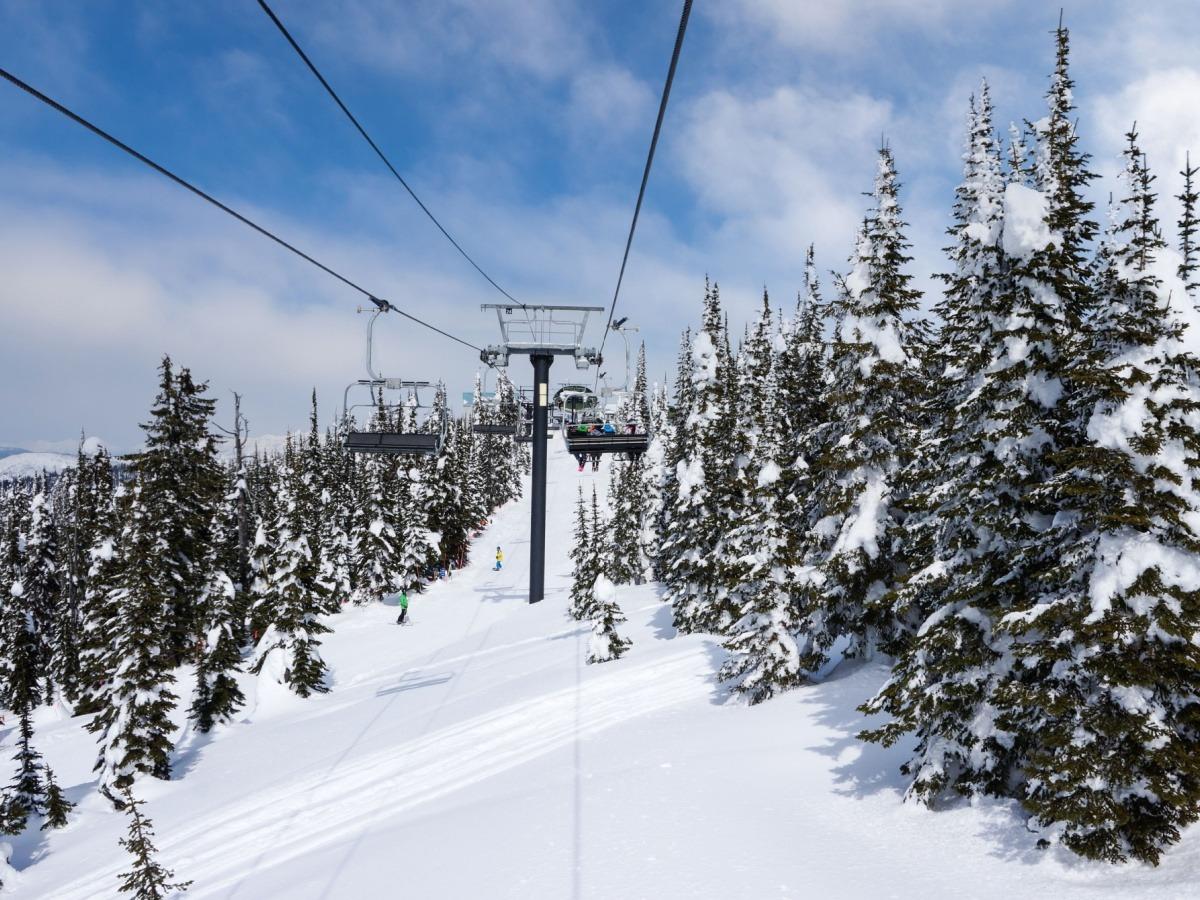
Lifts
closest to the base area can get busier during mid-morning and after lunch,
especially on weekends and holidays. You can get more skiing and better snow by
front-loading your day and using breaks strategically.
● Load the gondola or
early-opening lifts as close to opening as possible to ski freshly groomed
runs.
● Take your main food break
slightly early or late compared to the crowd (for example, 11:00 a.m. or after
1:30 p.m.) to avoid lines and restaurant congestion.
Tracking
your day with a ski app or your pass account can also motivate you to squeeze
in one or two more runs when energy allows.
Lessons, guides, and clinics
Professional
instruction is one of the fastest ways to unlock more of Winter Park’s terrain
and enjoy it safely. The resort’s ski and ride school covers everything from
never-ever lessons to private coaching and group clinics.
When lessons make the biggest difference
Lessons
pay off at almost any level, but certain situations benefit even more:
● First-time or returning
skiers who need fundamentals like stance, turning, and safe stopping.
● Intermediates who want to
move from greens to blues or blues to bumps, trees, and bowls.
● Advanced skiers new to Winter
Park who want a guide to the best stashes, lines, and efficient routes around
the mountain.
Guided
experiences are especially useful because instructors know where conditions are
best on a given day and which lifts connect smoothly between territories.
Group vs. private lessons
Group
lessons are typically more budget-friendly and create a social vibe, while
private lessons provide tailored feedback and flexible pacing. Families can
often book private lessons together, letting kids and adults learn alongside
each other when ability levels are compatible.
If
you plan multiple days of skiing, consider taking a lesson early in the trip so
you can apply new skills on your own afterward.
Gear setup and on-slope comfort
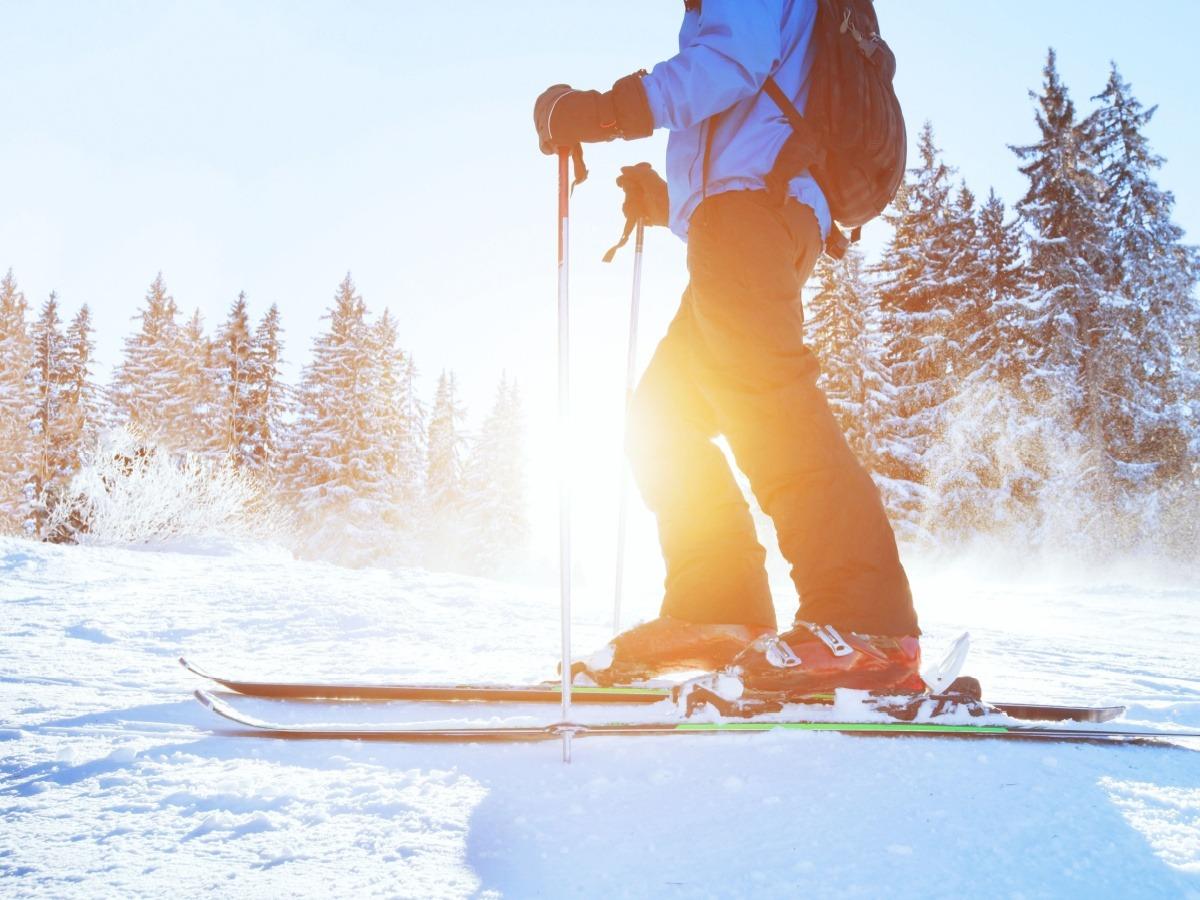
The
right gear and layering strategy can make or break your Winter Park experience.
The mountain’s elevation and Continental Divide location mean conditions can
swing from sunny and mild to windy and cold during a single day.
Renting vs. bringing your own gear
Winter
Park’s base area and surrounding town offer multiple rental options, from
standard packages to high-performance demo skis and boards. Renting can be
smart if you are flying in, trying a new discipline, or want gear matched to
current conditions.
Bringing
your own setup is best if you ski frequently, love a particular boot fit, or
have skis tuned exactly how you like them. In that case, consider bringing a
second wax choice or planning a mid-trip tune if you are staying several days.
Dressing for Colorado mountain weather
Layering
gives you flexibility when clouds, wind, and temperatures change.
● Use a moisture-wicking base
layer, warm insulating mid-layer, and waterproof-breathable shell to adapt as
the day warms up.
● Protect exposed skin with
sunscreen and lip balm, since higher elevation and snow reflection intensify UV
exposure even on cold days.
Hand
warmers, a neck gaiter, and goggles with interchangeable lenses help you stay
out longer in mixed light and cold conditions.
Safety, etiquette, and navigating crowds
Getting
the most from Winter Park’s slopes also means staying safe and respectful of
others. Good habits keep your day smooth and reduce the chance of injury or
conflict.
Mountain safety basics
Winter
Park publishes daily mountain information including open terrain, avalanche
control work, and any operational changes. Checking this before you ski helps
you avoid closed areas and anticipate variable conditions.
● Follow posted signs and
respect closures, especially in advanced zones like The Cirque and Eagle Wind
where patrol relies on strict access control.
● Ski in control and adjust
speed in crowded areas, particularly near lift lines, slow zones, and beginner
sections.
If you
explore off-piste or tree areas, ski with a partner and agree on meeting spots,
since visibility can be limited.
Etiquette that improves everyone’s
day
Good
etiquette makes the resort feel friendlier and more relaxed.
● Yield to downhill skiers,
give space when passing, and avoid stopping directly below rollovers where you
are not visible.
● In terrain parks, wait your
turn, call your drop, and clear landings quickly to keep lines moving and
reduce collisions.
Small
gestures like helping someone pick up dropped poles or offering trail advice
when asked contribute to the community feel Winter Park is known for.
Beyond alpine
skiing: other winter sports
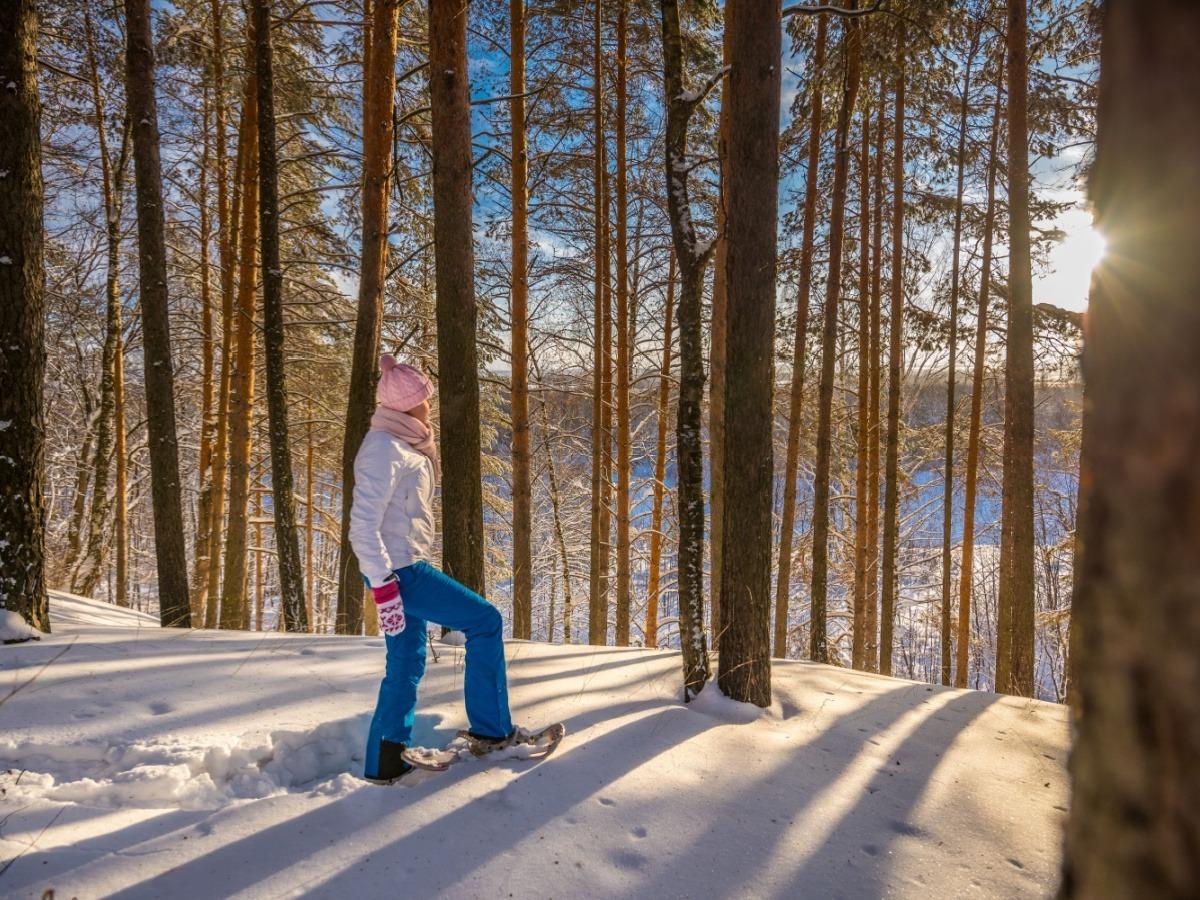
One of
the best ways to get more from Winter Park is to mix in other winter sports
between ski days. This keeps legs fresher and lets non-skiers enjoy the
destination too.
Cross-country skiing and snowshoeing
The
Fraser Valley surrounding Winter Park has several Nordic centers with extensive
groomed trail networks designed for classic and skate cross-country skiing.
Some of these centers also offer snowshoe-specific trails, rentals, and
lessons.
● Devil’s Thumb Ranch maintains
more than 100 kilometers of Nordic trails that are popular with both beginners
and serious cross-country skiers.
● Nearby trail systems such as
those at Snow Mountain Ranch and local routes like Jim Creek or Fraser River
Trail become tranquil snowshoeing and winter hiking experiences.
Adding
a Nordic or snowshoe day can be a lower-impact way to stay active between more
intense days at the resort.
Snowmobiling, ice skating, and more
For a
break from skis or boards, Winter Park and nearby Fraser offer snowmobiling
tours, tubing, and ice skating. These activities are perfect for mixed-ability
groups or rest days.
● The outdoor rink at the base
area, along with a larger facility in Fraser, provides options for casual
skating and hockey-style fun.
● Guided snowmobile tours let
you explore backcountry-style terrain and viewpoints without the physical
effort of ski touring.
Mixing
activities like these keeps the trip interesting, especially for longer stays.
Smart fueling helps you ski stronger longer. Many on-mountain spots offer quick, filling meals, while town restaurants give you broader dinner options.
● Aim for a solid breakfast,
light but energy-dense snacks you can eat on lifts, and a hydrating routine
throughout the day to combat altitude and exertion.
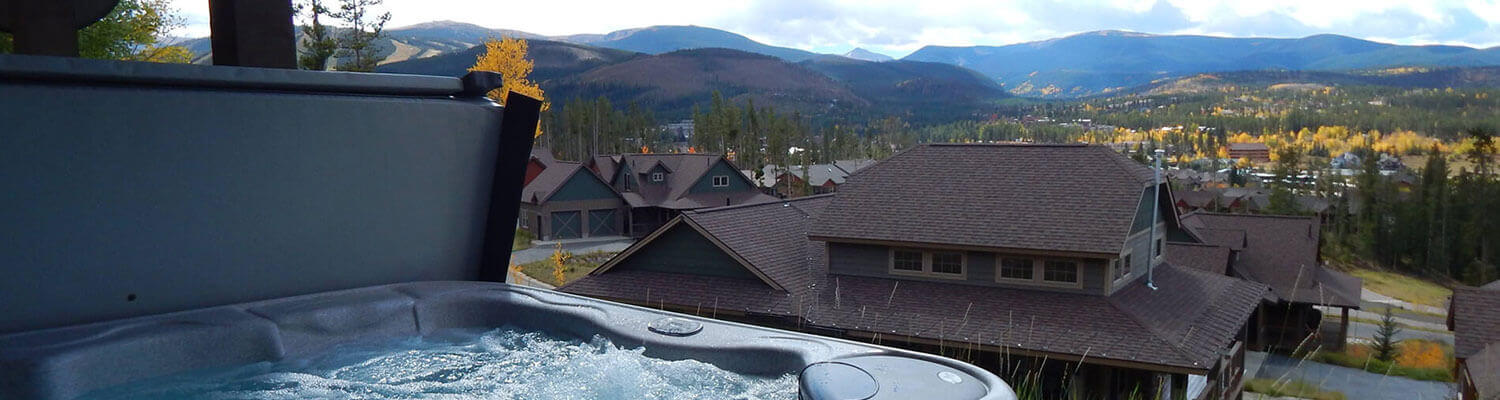
● Consider hot tubs,
stretching, and adequate sleep as part of your ski plan, since recovery
directly affects how much you enjoy subsequent days on the slopes.
Thoughtful
après-ski choices help you hit the next morning with more energy rather than
starting the day already fatigued.
Practical tips for first-time Winter Park visitors
A few
concrete habits can dramatically improve your first Winter Park trip. These
strategies blend logistics, timing, and mindset.
● Buy lift access and rentals
in advance when possible to save time and often money at the window.
● Check the daily snow report,
lift status, and any terrain alerts in the morning before picking your first
runs.
● Start with easier terrain
than you think you need during the first few runs of each day, especially at
altitude, then step up gradually.
● Hydrate more than you think
necessary and consider a slower first day if you are not used to higher
elevations.
● Build in some flexibility so
you can pivot to a different territory if crowds or conditions are not ideal
where you started.
These
small practices add up to more runs, less stress, and a much better sense of
what Winter Park can offer you personally.
Bringing it all together
Winter
Park’s combination of winter sports & skiing, diverse territories, and
authentic town energy makes it one of Colorado’s most rewarding destinations
for mountain enthusiasts. By matching terrain to your ability, using lessons or
guides strategically, planning your days around lifts and weather, and sampling
off-slope activities, you get far more than just a standard ski trip.
Whether
you are tackling Mary Jane’s bumps, cruising groomers in Winter Park territory,
exploring high-alpine lines in Parsenn Bowl, or trading a ski day for Nordic
trails and ice skating, the resort gives you everything you need to craft your
ideal winter experience. Treat each day as a curated plan rather than a random
wander, and Winter Park’s slopes will reward you with both progression and
unforgettable memories.
Click here to book your Stay Winter Park getaway and enjoy convenient access to the slopes, a wide choice of vacation rentals, and our local team support you from planning to check-out.